Color and Numbers: Two Cues on the Number Pop Board
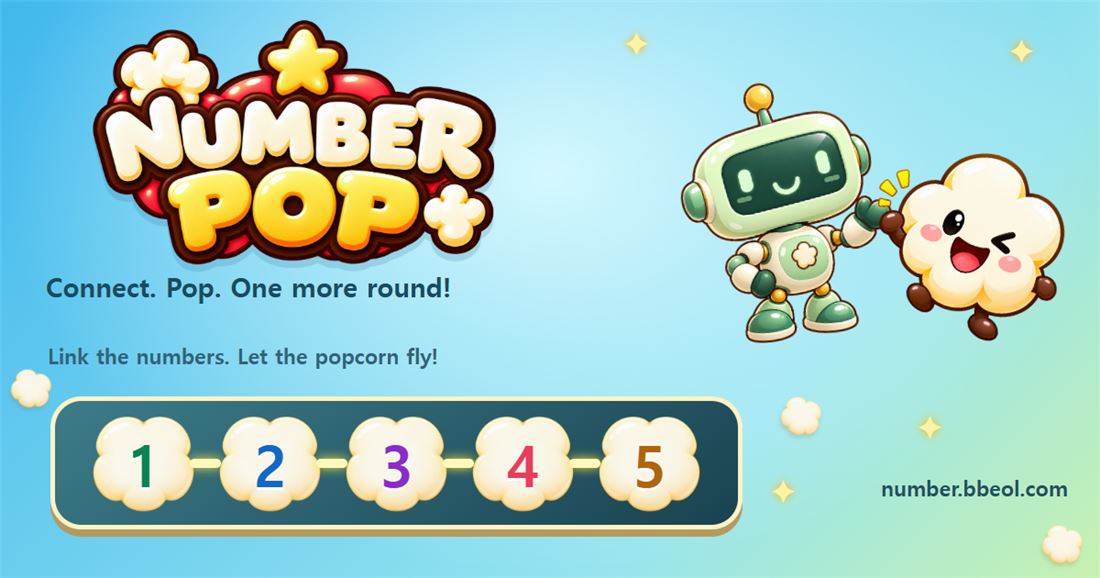
Number Pop tiles carry both a number and a color. Color can help locate candidates, but values and positions decide whether a connection is valid.
This is an increasing-number puzzle
Matching identical colors is not the objective. A 1 must lead to 2, then 3. Two neighboring 2s cannot form a 2→2 connection. After spotting a candidate by color, read the number and check that it shares an edge with the previous tile.
Why retain the numbers?
Display brightness, lighting, screen size and differences in color perception can make similar colors hard to distinguish. Keeping numerals gives another cue. Removing them would make some situations harder to read.
We have not run a user study showing that our palette saves a specific number of milliseconds or makes play several times faster. The earlier article’s 0.05-second and 0.3-second claims lacked evidence and have been removed.
Inspect a confusing moment
Pause and locate a few matching numbers. Compare what is confusing when looking at color first and when reading values first. Then inspect one valid neighboring pair. This is a way to describe your experience, not a test of cognitive ability.
Send useful feedback
If numerals or selected paths are difficult to see, tell us the device, browser and the tiles you confused through Contact. The practice board demonstrates the rules using numbers and position without relying on tile colors.